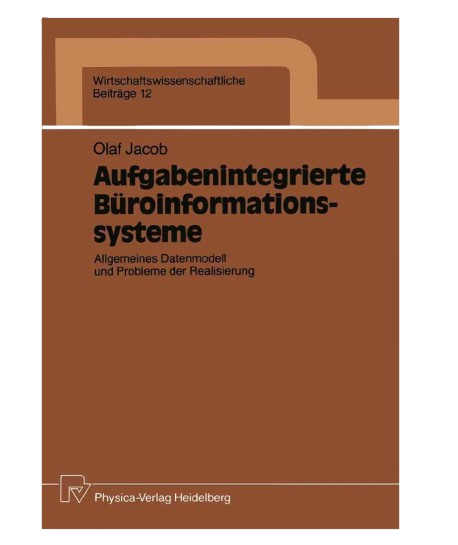
Aufgabenintegrierte
What Is an Aufgabenintegrierte?
An aufgabenintegrierte approach refers to a task-integrated method where learning, training, assessment, or skill development is incorporated directly into real work tasks. Instead of separating theory from practice, knowledge and competencies are developed while performing actual job-related activities. This concept is commonly used in education, vocational training, workplace learning, and professional development programs.
How It Works
The task-integrated approach combines learning objectives with everyday responsibilities. Participants complete real-world tasks while simultaneously developing skills, receiving feedback, and demonstrating competency. Learning occurs naturally within the workflow rather than through separate classroom sessions.
Main Benefits
Encourages practical, hands-on learning.
Improves knowledge retention through real application.
Increases workplace productivity and efficiency.
Helps learners develop job-relevant skills faster.
Reduces the gap between theory and practice.
Supports continuous professional development.
Key Features to Consider
Clear learning objectives linked to tasks.
Structured feedback and evaluation methods.
Real-world relevance of assignments.
Opportunities for reflection and improvement.
Support from supervisors, mentors, or trainers.
Measurable performance outcomes.
Where You Can Use It
Vocational and technical education.
Corporate training programs.
Apprenticeships and internships.
Healthcare and clinical training.
Manufacturing and industrial workplaces.
Professional certification programs.
Public sector and administrative training.
Battery and Charging
Not applicable. An aufgabenintegrierte approach is a learning and training method rather than a physical device requiring power or charging.
Ease of Use
Task-integrated learning is generally easy to adopt because it aligns with existing work processes. Success depends on proper planning, clear expectations, and access to guidance when needed.
Maintenance Tips
Regularly update learning objectives.
Review task relevance and effectiveness.
Provide ongoing feedback and coaching.
Monitor progress through performance assessments.
Adjust activities to match evolving workplace requirements.
Document achievements and learning outcomes.
Pros and Cons
Pros
Highly practical and relevant.
Promotes active learning.
Enhances workplace performance.
Encourages continuous improvement.
Cost-effective compared to separate training sessions.
Cons
Requires careful planning and supervision.
Learning opportunities may vary between tasks.
Can be challenging to assess consistently.
May increase workload during implementation.
Who Should Buy It
Since this is a methodology rather than a product, it is most suitable for:
Employers seeking effective workforce development.
Educational institutions.
Training organizations.
Apprenticeship programs.
Professionals looking for practical skill development.
Final Thoughts
The aufgabenintegrierte approach is an effective way to combine learning with real-world work activities. By integrating skill development directly into daily tasks, organizations and learners can achieve stronger performance, improved competency, and more meaningful learning outcomes. Its practical nature makes it a valuable strategy for modern education and workplace training environments.




Reviews
There are no reviews yet.