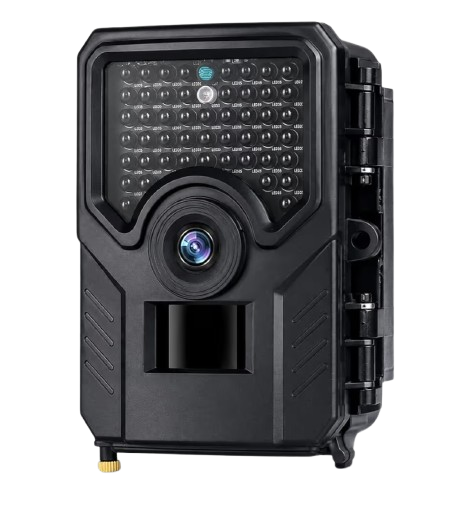
Trail Camera
What Is a Trail Camera?
A trail camera is a weather-resistant, motion-activated camera designed to capture photos and videos of wildlife, outdoor activity, or property surveillance without requiring a person to be present. Commonly used by hunters, wildlife enthusiasts, researchers, and landowners, trail cameras can operate for extended periods in remote outdoor locations.
How It Works
A trail camera uses motion and heat sensors to detect movement within its coverage area. When an animal or person passes in front of the camera, it automatically captures photos or records video. Images and footage are typically stored on a memory card, while some advanced models can transmit files wirelessly through cellular or Wi-Fi connections.
Main Benefits
A trail camera allows users to monitor wildlife behavior, track animal movement patterns, and observe outdoor environments with minimal disturbance. It can also enhance property security, provide evidence of activity in remote areas, and operate continuously day and night in various weather conditions.
Key Features to Consider
When choosing a trail camera, consider image and video resolution, detection range, trigger speed, night vision performance, battery life, storage capacity, weather resistance, and connectivity options. Features such as cellular transmission, time-lapse recording, and wide viewing angles may also improve functionality.
Where You Can Use It
Trail cameras can be used in forests, hunting areas, farms, ranches, gardens, nature reserves, construction sites, cabins, and private properties. Their rugged design makes them suitable for both wildlife observation and outdoor security applications.
Battery and Charging
Most trail cameras operate on replaceable AA batteries or rechargeable battery packs. Battery life varies depending on usage, temperature, and camera settings. Some models support external power sources or solar panels to extend operating time in remote locations.
Ease of Use
Trail cameras are generally easy to set up and operate. Users typically mount the camera to a tree, post, or other stable surface, adjust settings, insert a memory card, and position it toward the desired monitoring area. Many modern models include intuitive menus and companion mobile apps for easier management.
Maintenance Tips
Keep the camera lens and sensors clean for optimal image quality. Check batteries regularly and replace or recharge them as needed. Inspect mounting straps and housing for wear, update firmware when available, and protect the camera from unnecessary impacts or obstruction by vegetation.
Pros and Cons
Pros
Captures wildlife and outdoor activity automatically. Operates day and night with minimal supervision. Weather-resistant for outdoor use. Useful for both observation and security purposes. Long battery life in many models.
Cons
Image quality may vary in low-light conditions. Batteries require periodic replacement or charging. False triggers can occur from moving vegetation or weather. Advanced cellular models may require subscription fees.
Who Should Buy It
A trail camera is ideal for hunters, wildlife photographers, researchers, conservationists, farmers, landowners, and anyone interested in monitoring outdoor environments. It is also a practical choice for individuals seeking remote surveillance of rural or off-grid properties.
Final Thoughts
A trail camera is a versatile and reliable tool for capturing wildlife activity and monitoring outdoor locations. With features such as motion detection, night vision, and durable weather-resistant construction, it provides valuable insights and security while requiring minimal ongoing attention. Choosing a model with the right performance and connectivity features can significantly enhance the overall experience.

Reviews
There are no reviews yet.